Butterfly Bush: The Deerresistant Plant That Attracts Butterflies
Butterfly Bush: The Deer-Resistant Plant That Attracts Butterflies
Butterfly bushes are a popular choice for gardeners who want to attract butterflies to their yard. These shrubs are easy to care for, deer-resistant, and come in a variety of colors, making them a versatile addition to any landscape.
In this blog post, we will discuss the benefits of planting butterfly bush, as well as how to choose the right variety for your needs. We will also provide tips on how to care for your butterfly bush so that it will thrive for years to come.
Benefits of Planting Butterfly Bush
There are many benefits to planting butterfly bush in your yard. Here are a few of the most important:
- Attracts butterflies. Butterfly bush is one of the best plants for attracting butterflies. The nectar-rich flowers of butterfly bush are a favorite food source for many butterfly species, including monarchs, swallowtails, and painted ladies.
- Deer-resistant. Butterfly bush is a deer-resistant plant, which means that it is less likely to be eaten by deer than other plants. This makes it a good choice for gardens in areas with a high deer population.
- Variety of colors. Butterfly bush comes in a variety of colors, including white, pink, lavender, purple, and blue. This means that you can find a variety that will match the color scheme of your yard.
- Easy to care for. Butterfly bush is a relatively easy plant to care for. It does not require a lot of water or fertilizer, and it is relatively resistant to pests and diseases.
How to Choose the Right Variety of Butterfly Bush
When choosing a variety of butterfly bush, there are a few factors to consider:
- Size. Butterfly bush can grow to be quite large, so it is important to choose a variety that will fit in your yard. There are dwarf varieties of butterfly bush that grow only 2-4 feet tall, as well as larger varieties that can grow up to 10 feet tall.
- Color. As mentioned above, butterfly bush comes in a variety of colors. Choose a variety that will complement the other plants in your yard.
- Climate. Butterfly bush is a hardy plant that can tolerate a wide range of climates. However, some varieties are more cold-hardy than others. If you live in an area with cold winters, choose a variety that is known to be cold-hardy.
How to Care for Butterfly Bush
Butterfly bush is a relatively easy plant to care for. Here are a few tips:
- Water. Butterfly bush needs regular watering, especially during the summer months. However, it is important to avoid overwatering, as this can lead to root rot.
- Fertilizer. Butterfly bush does not require a lot of fertilizer. A light application of fertilizer in the spring will help to promote flowering.
- Pests and diseases. Butterfly bush is relatively resistant to pests and diseases. However, it is still important to inspect your plants regularly for signs of problems. If you do see any pests or diseases, take steps to control them immediately.
Conclusion
Butterfly bush is a beautiful and easy-care plant that is perfect for attracting butterflies to your yard. With a little care, your butterfly bush will thrive for years to come.
If you're looking for a deer-resistant shrub that will attract butterflies and hummingbirds to your garden, then the butterfly bush is a great option. These shrubs are hardy in USDA zones 5-9 and can grow up to 10 feet tall. They bloom in late summer and early fall, and their flowers come in a variety of colors, including blue, purple, pink, and white.
Butterfly bushes are deer resistant because their leaves and flowers contain a chemical that deer find unpleasant. This makes them a safe choice for gardens where deer are a problem.
If you're interested in learning more about butterfly bushes, I recommend visiting Garden Wiki. This website has a wealth of information about butterfly bushes, including how to plant them, care for them, and prevent deer from eating them.
FAQ of butterfly bush deer resistant
Q: Are butterfly bushes deer resistant?
A: While butterfly bushes are not 100% deer resistant, they are generally considered to be deer-tolerant. This means that deer will typically not eat butterfly bushes, but they may nibble on them if there is no other food available. There are a few varieties of butterfly bush that are more deer resistant than others, such as 'Butterfly Bush Bonnie' and 'Butterfly Bush Blue Chip'.
Q: What can I do to make my butterfly bush more deer resistant?
A: There are a few things you can do to make your butterfly bush more deer resistant:
- Plant it in a location where deer are less likely to browse, such as near a fence or in a densely planted area.
- Apply a deer repellent to the plant. There are many commercial deer repellents available, or you can make your own by mixing vinegar, water, and garlic.
- Plant other deer-resistant plants around your butterfly bush. This will help to deter deer from browsing on the butterfly bush.
Q: How do I propagate a butterfly bush?
A: There are two main ways to propagate a butterfly bush: from seed and from cuttings.
- To propagate a butterfly bush from seed, sow the seeds in the spring or fall. The seeds will need to be stratified (cold-treated) before they will germinate.
- To propagate a butterfly bush from cuttings, take 4-6 inch cuttings in the spring or summer. Dip the cuttings in rooting hormone and plant them in a well-draining potting mix. Keep the cuttings moist and in a warm location. They should root in about 4-6 weeks.
Q: What are some other deer-resistant plants that attract butterflies?
A: There are many other deer-resistant plants that attract butterflies. Some popular choices include:
- Coneflower
- Echinacea
- Goldenrod
- Lavender
- Milkweed
- Penstemon
- Purple coneflower
- Salvia
- Yarrow
Image of butterfly bush deer resistant
5 different images of "butterfly bush deer resistant" from Pinterest:
- Butterfly bush (Buddleia davidii) in full bloom. This is a popular deer-resistant plant that is known for its fragrant flowers that attract butterflies.

- Butterfly bush in a garden setting. This shows how butterfly bushes can be used to add color and interest to a garden.
- Close-up of butterfly bush flowers. This shows the beautiful, delicate flowers of the butterfly bush.
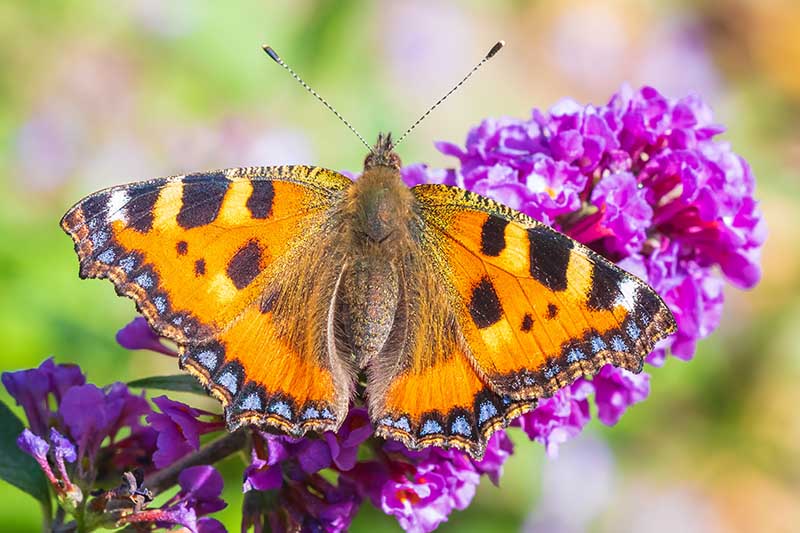
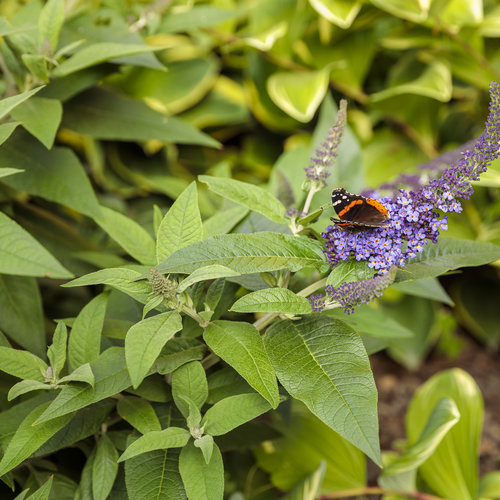
- Butterfly bush leaves. The leaves of the butterfly bush are also deer-resistant, so they can help to deter deer from your garden.
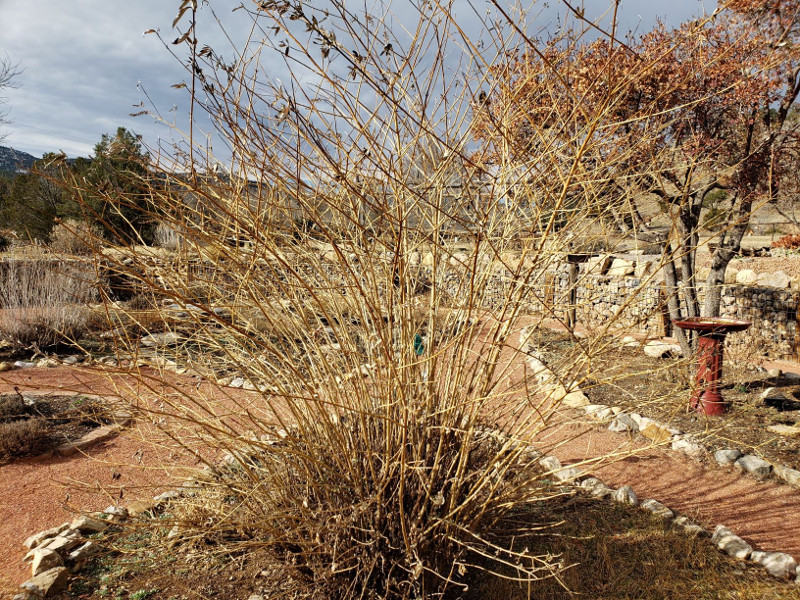
- Butterfly bush in winter. The butterfly bush is a deciduous plant, so it loses its leaves in winter. However, it will come back in spring and start blooming again.

Post a Comment for "Butterfly Bush: The Deerresistant Plant That Attracts Butterflies"